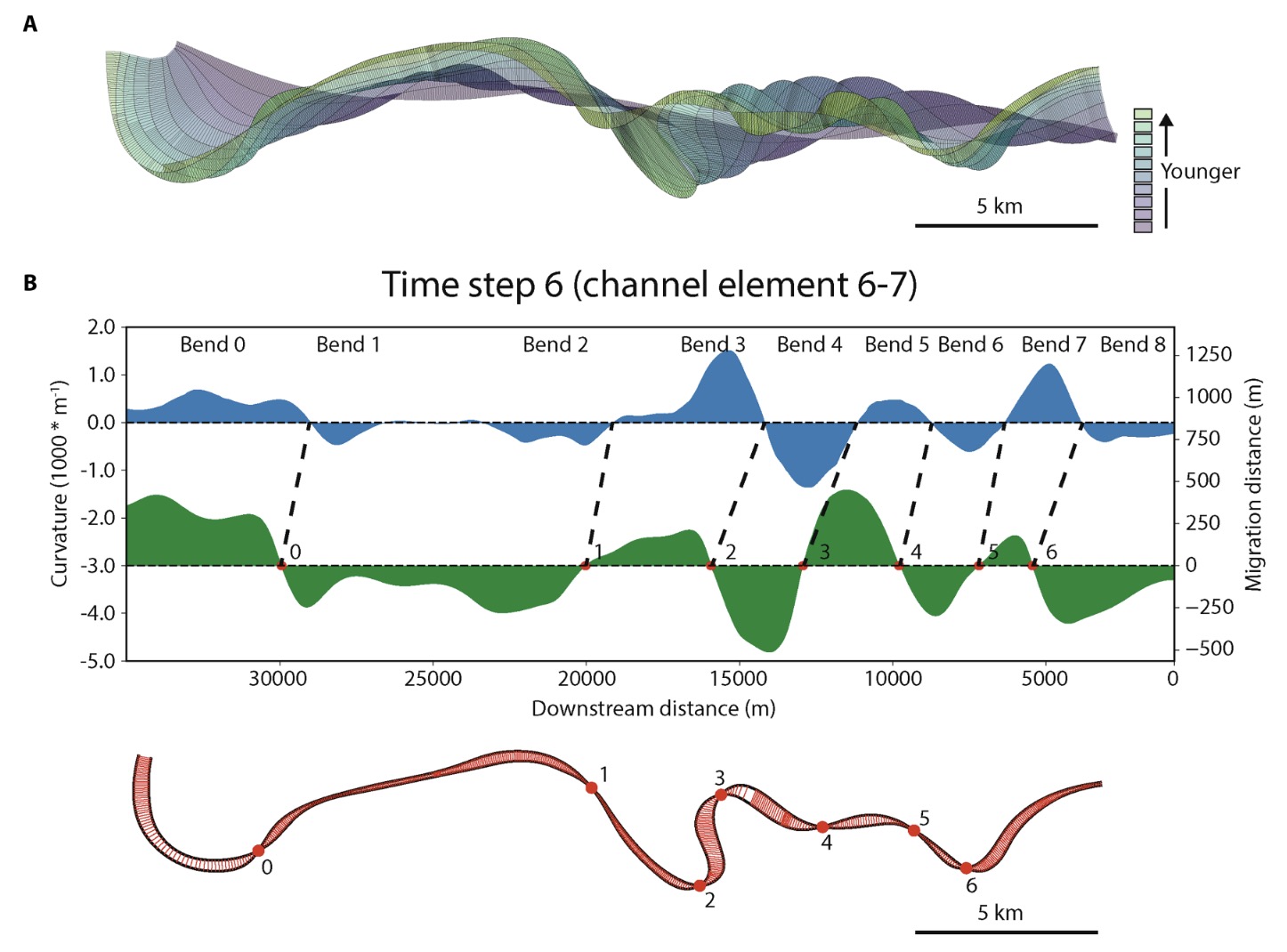
Submarine‐channel meandering reset by landslide filling, Taranaki Basin, New Zealand
Submarine channels offshore New Zealand were filled with mass transport deposits and this resulted in a reset of the systematic migration of the channels
Submarine channels offshore New Zealand were filled with mass transport deposits and this resulted in a reset of the systematic migration of the channels
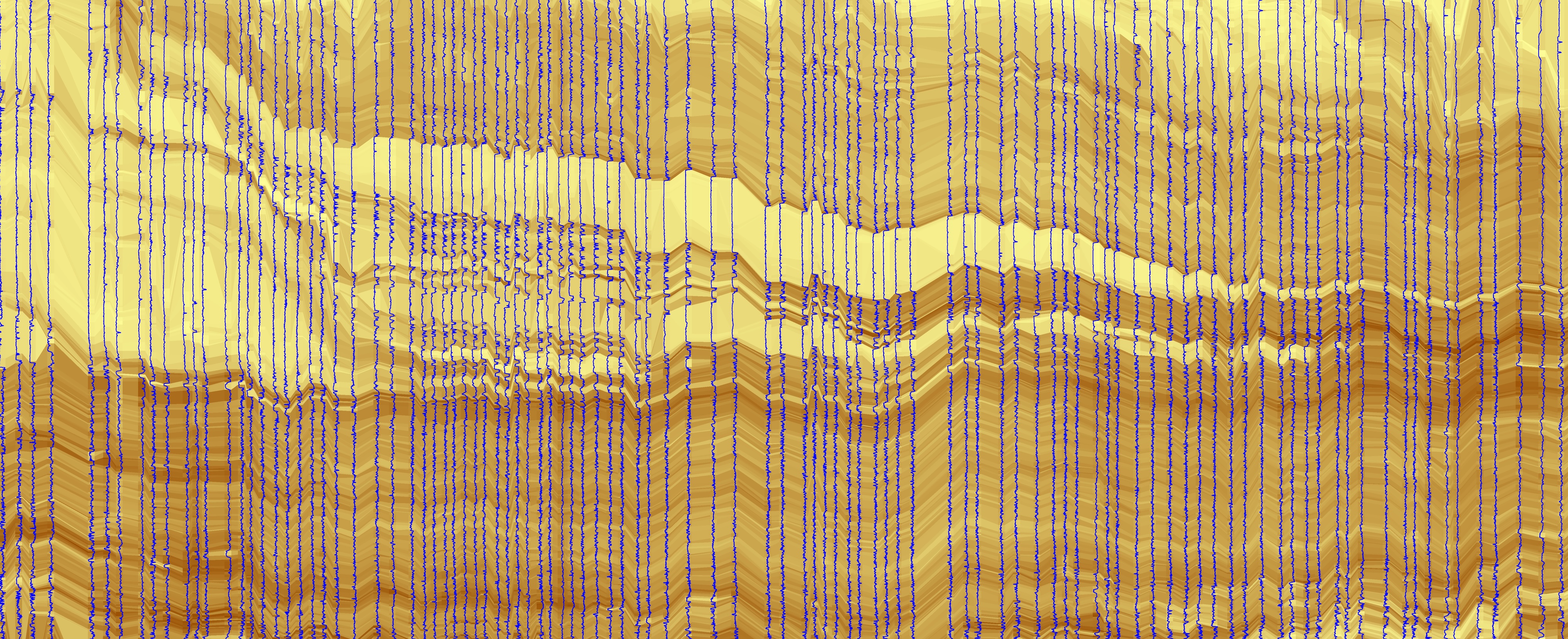
Stratigraphic correlation of geophysical well logs is one of the most importantand most time-consuming—tasks that applied geoscientists perform on a daily basis. Using the dynamic time warping (DTW) a…
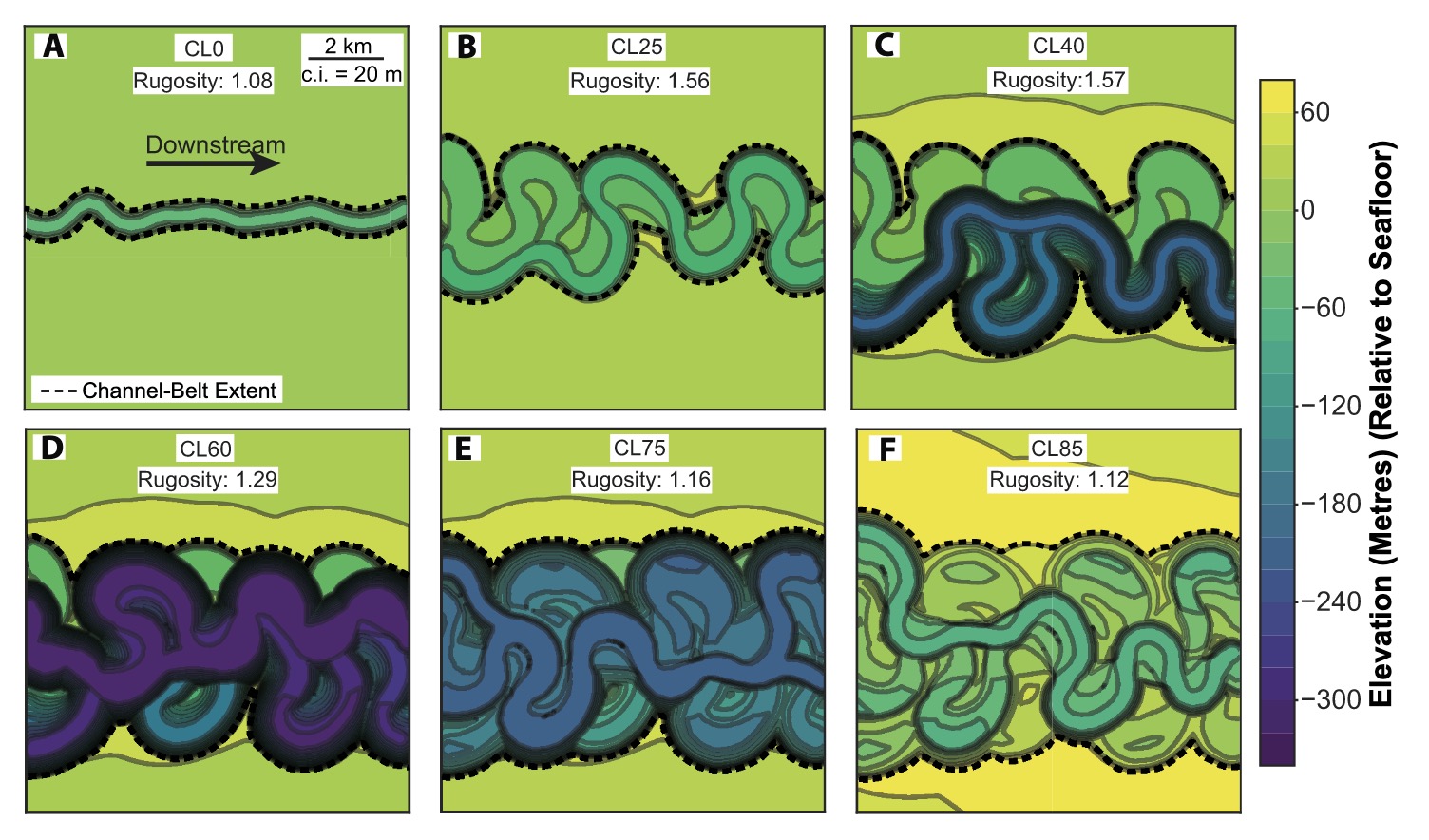
Interpretation of deep-water channel deposits is challenging because the spatial arrangement of their constituent lithologies is highly variable. This variability is often thought to be a signature of…
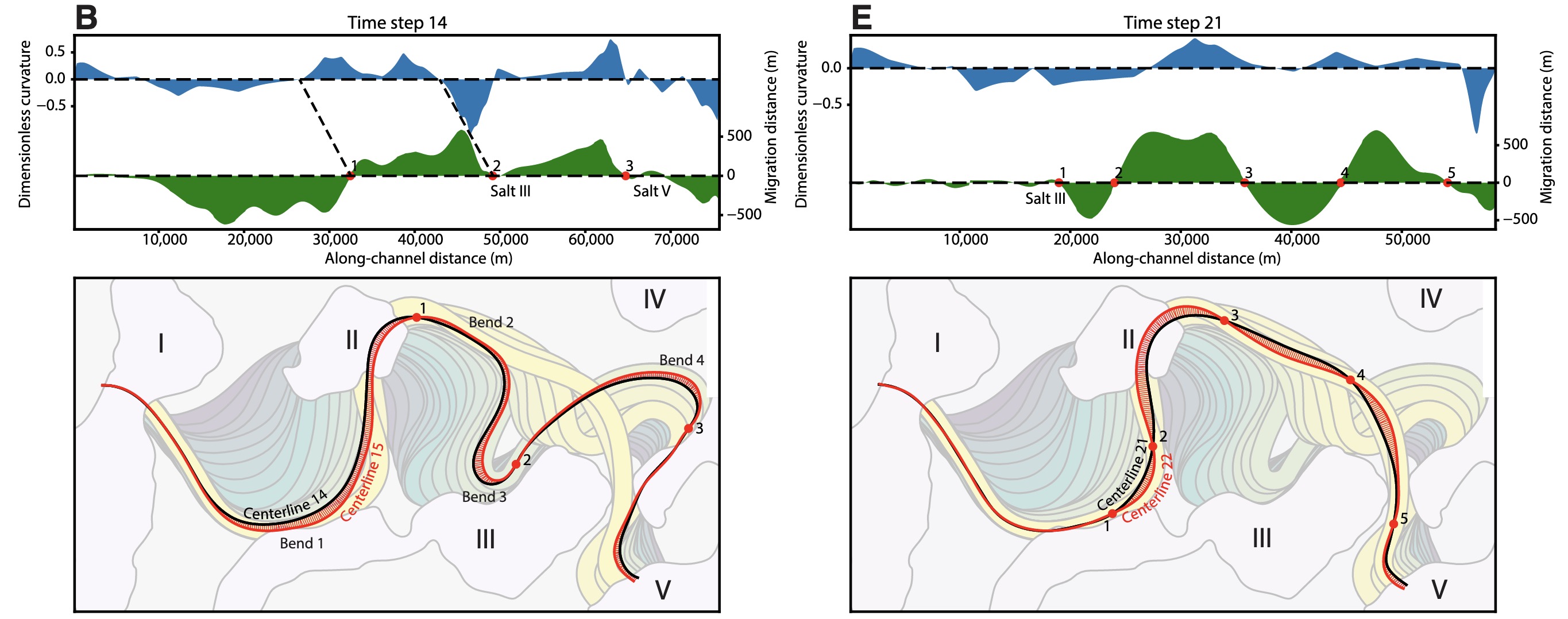
This paper analyzes the evolution of giant meandering submarine channels in the Campos Basin, Brazil, and their interaction with salt diapirs.
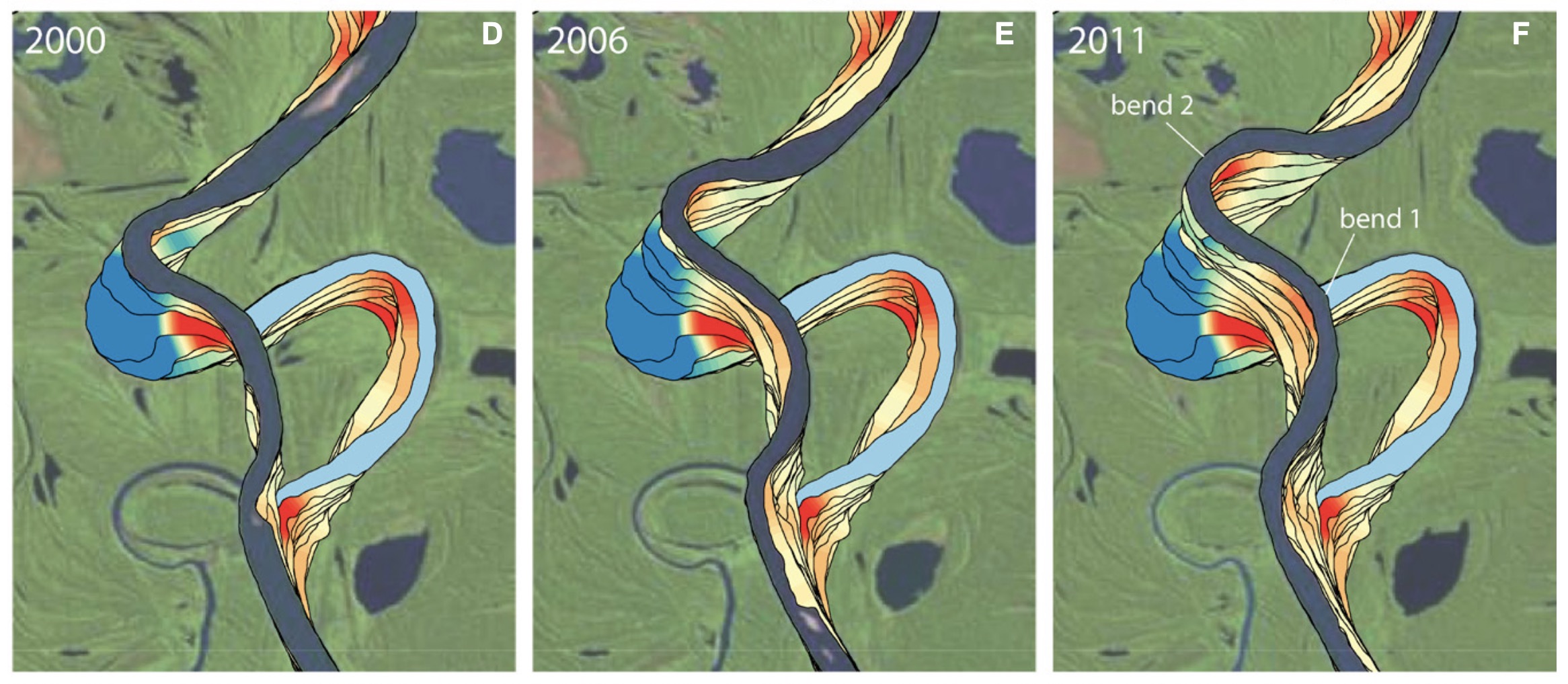
This paper explores the development of counter point bars in meandering rivers through autogenic translation processes.
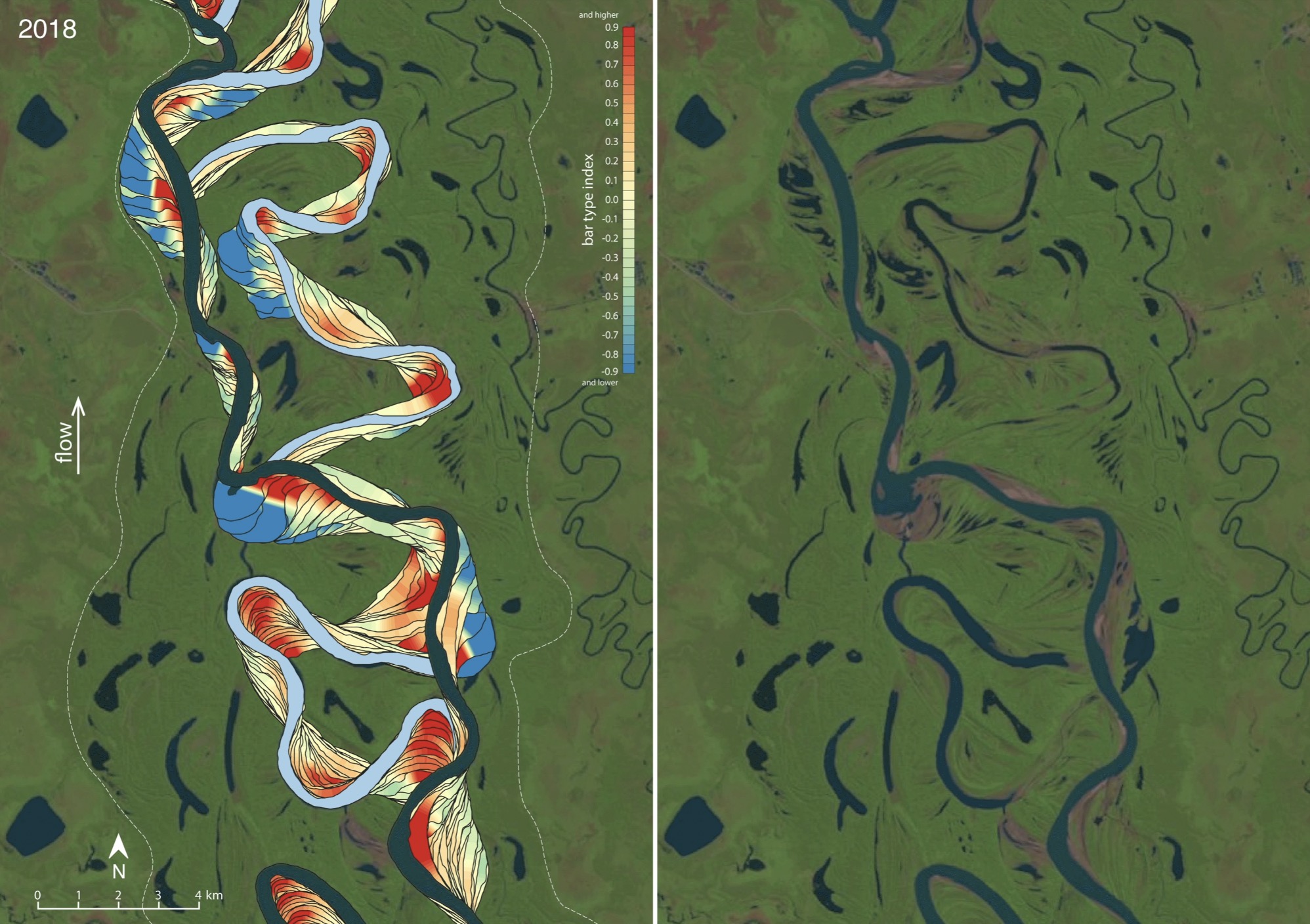
The simplest definition of point bars is that they are sedimentary deposits forming on the inner, convex bank of river bends. [‘Inner’ and ‘convex’ bank means that, looking toward the river, the bank is curving around you.] Amadeus W. Grabau, an early ‘influencer’ in stratigraphy and sedimentary geology, published a beautiful drawing of how meanders grow, point bars evolve, and oxbow lakes form, more than a hundred years ago: Diagram illustrating the development of meanders in a river. From Grabau (1920). ...