Chronostratigraphic log correlation in the Permian Basin

Automated multi-well stratigraphic correlation and model building using relative geologic time

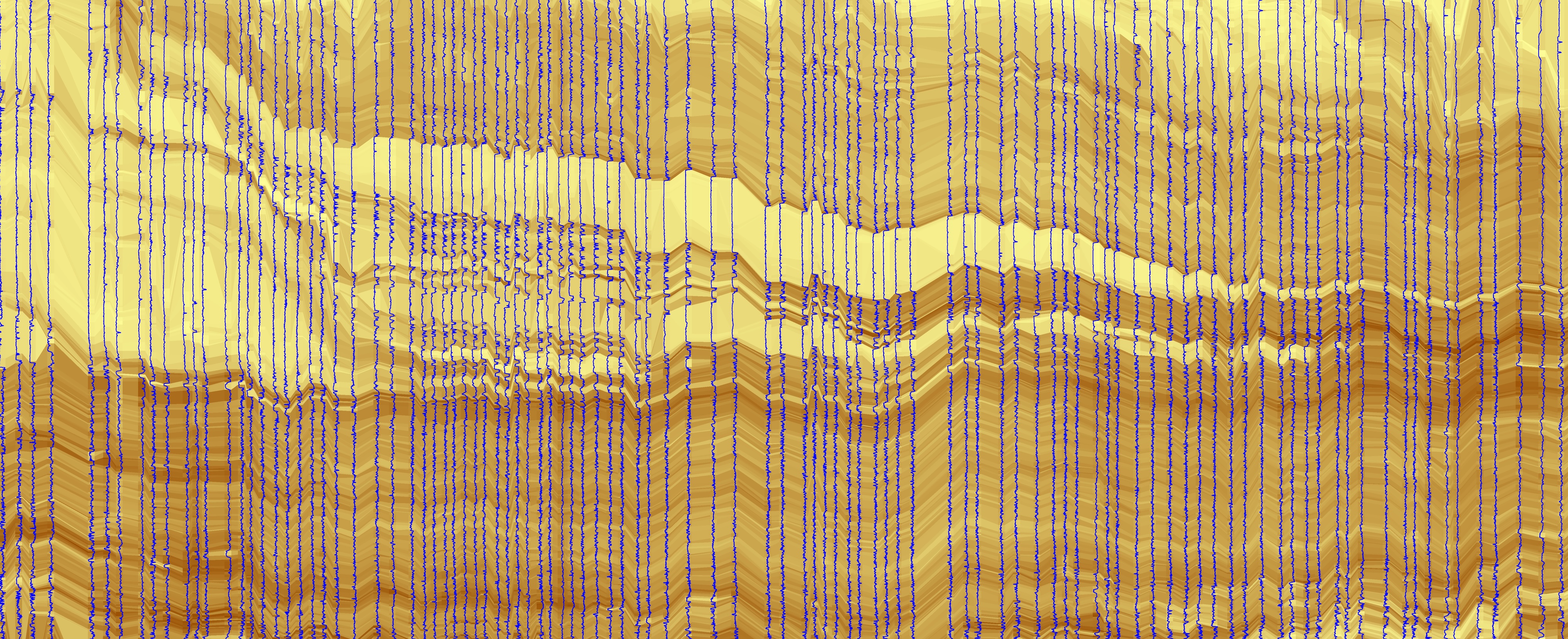
Stratigraphic correlation of geophysical well logs is one of the most importantand most time-consuming—tasks that applied geoscientists perform on a daily basis. Using the dynamic time warping (DTW) a…

May 23, 2023 · Z. Sylvester
Stratigraphic correlation: Old concepts inform new approaches

Stratigraphic correlation: Old concepts inform new approaches

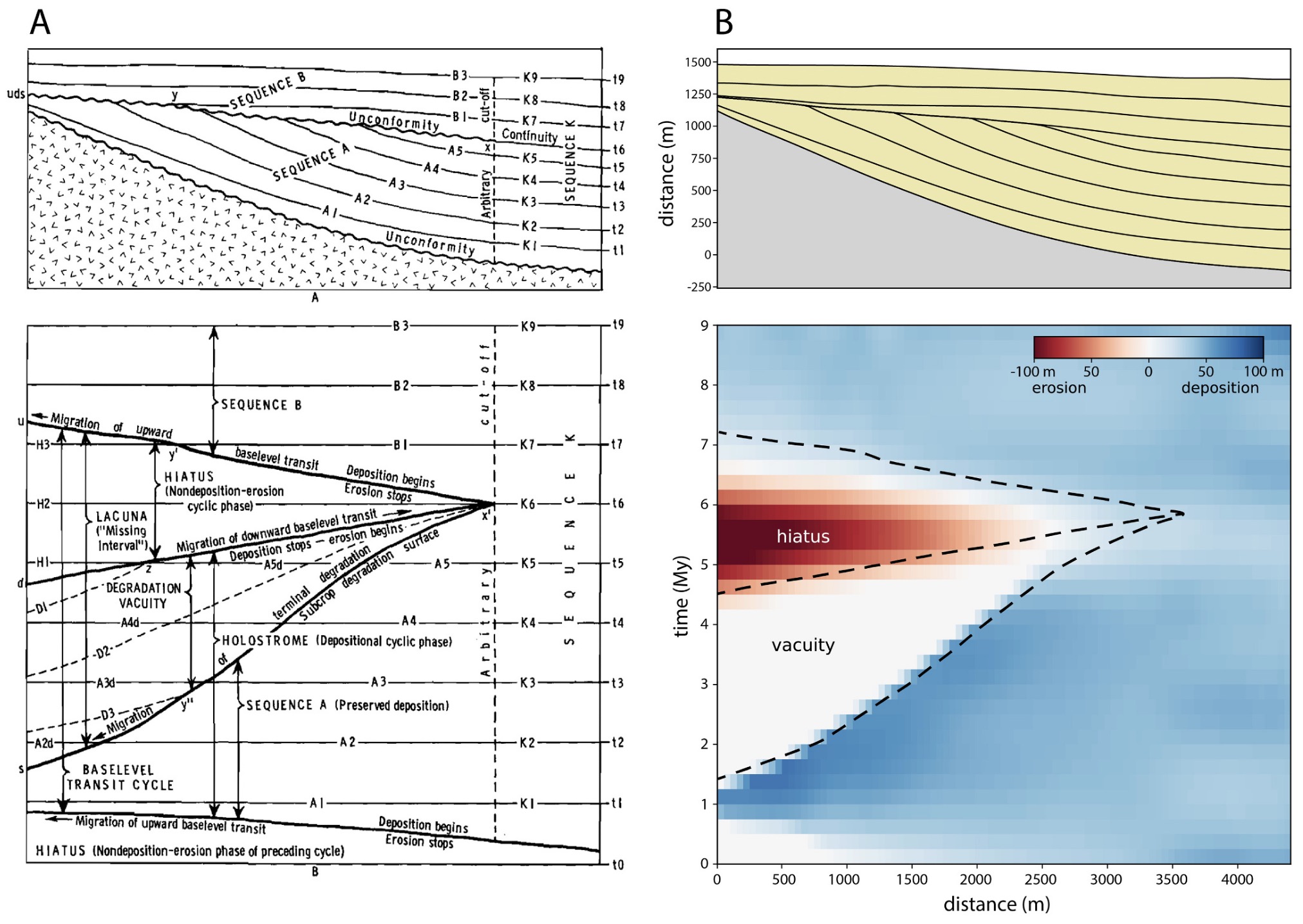
In this talk, I first want to revisit and visualize the basic ideas about how time is recorded - or not recorded - in sedimentary deposits and then show how chronostratigraphic diagrams can be used as key elements of an automated workflow for correlating geophysical well logs.

May 13, 2022 · Z. Sylvester
Giant meandering channel evolution, Campos deep-water salt basin, Brazil

Giant meandering channel evolution, Campos deep-water salt basin, Brazil

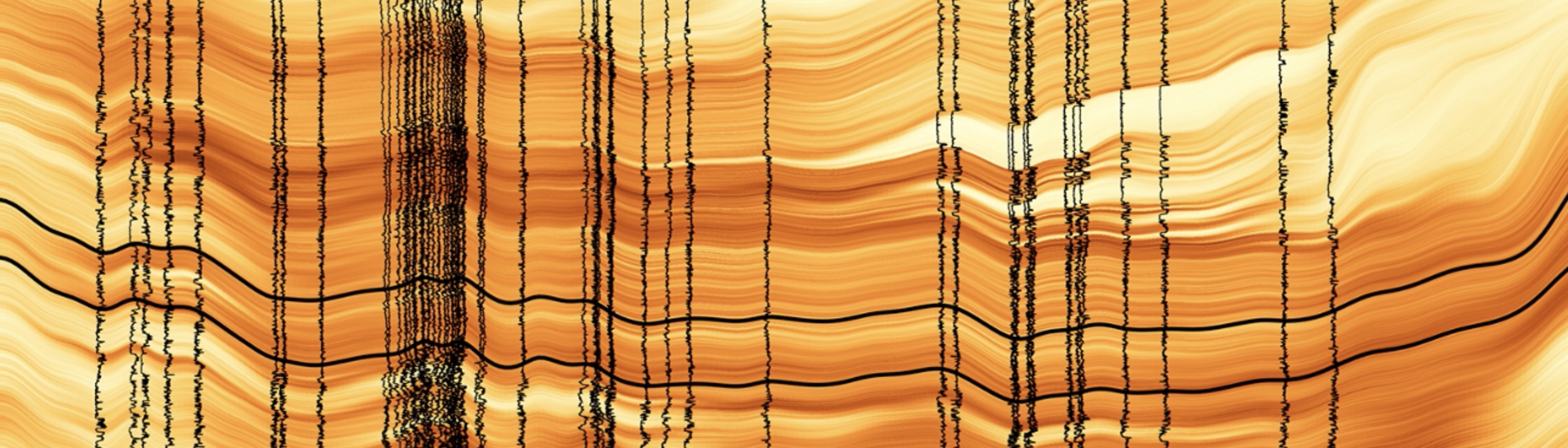
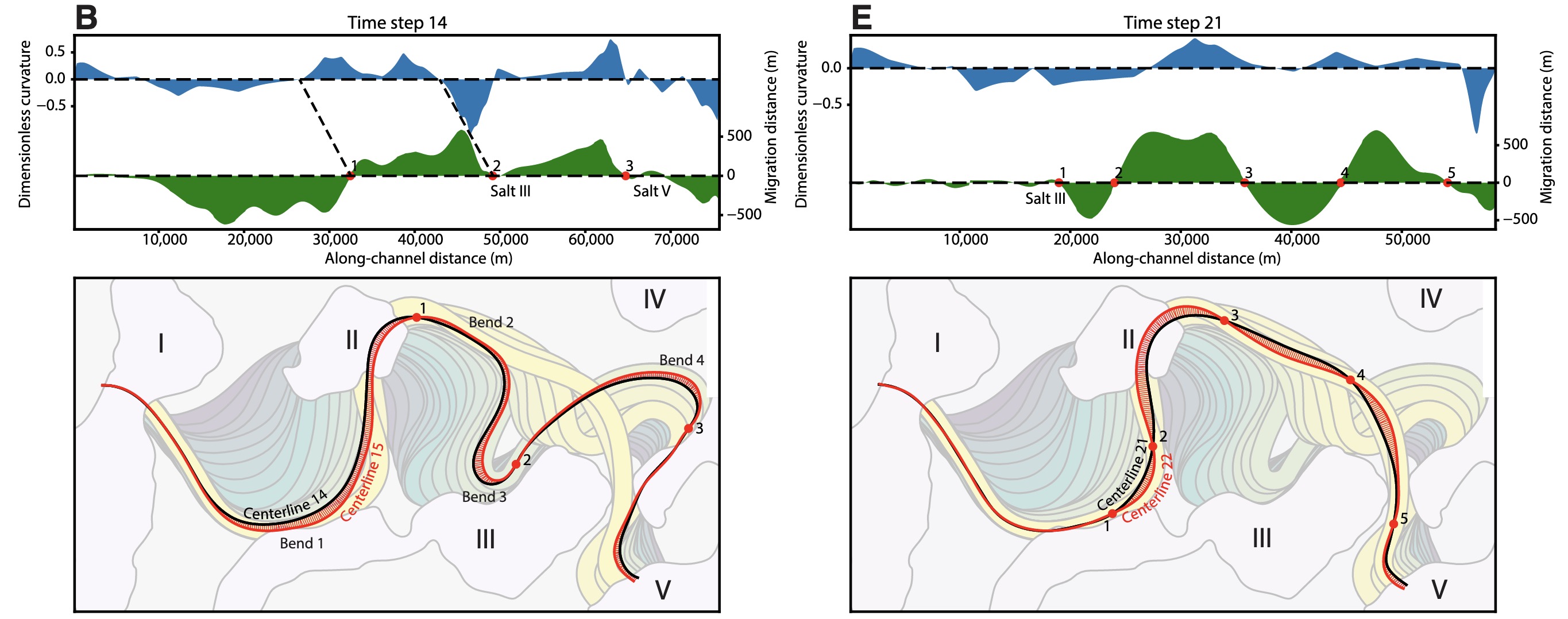
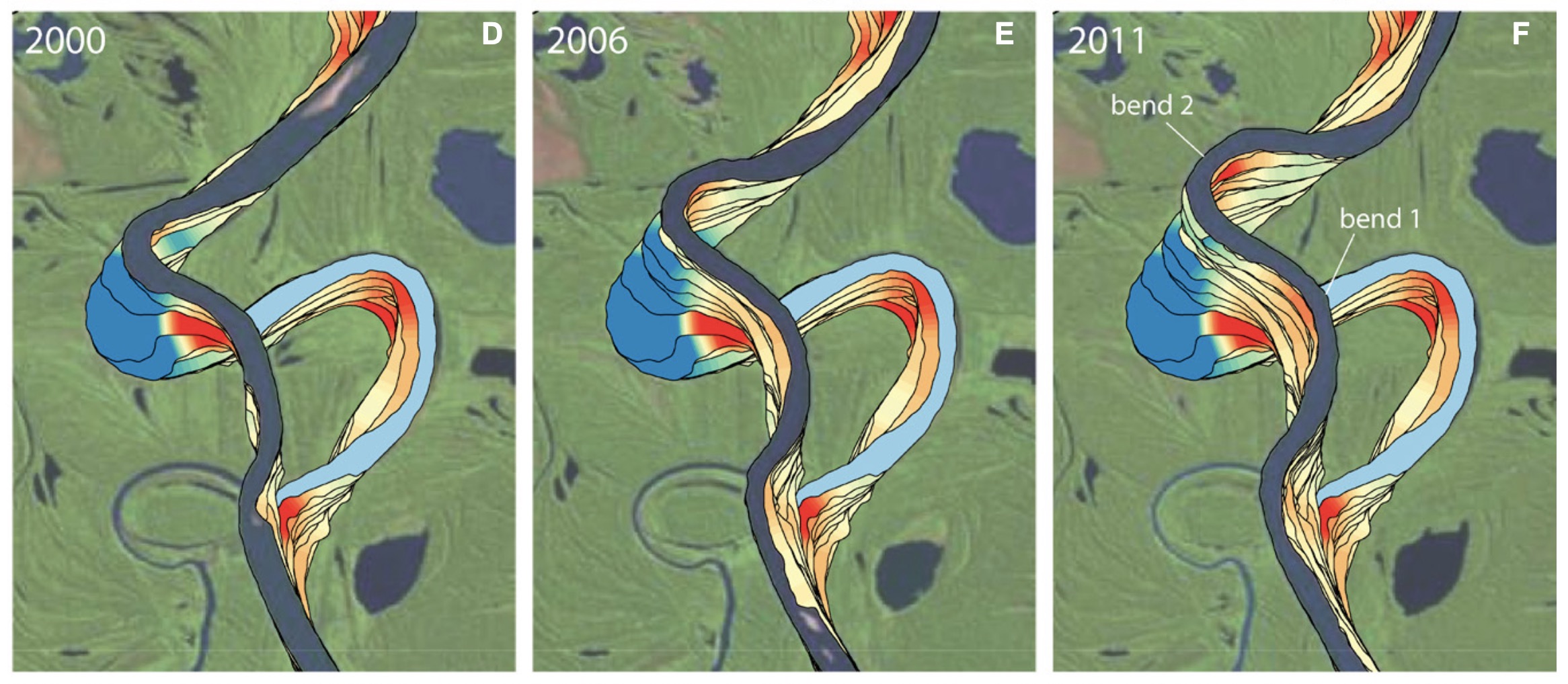
This paper analyzes the evolution of giant meandering submarine channels in the Campos Basin, Brazil, and their interaction with salt diapirs.

August 6, 2021 · J. A. Covault, Z. Sylvester, C. Ceyhan, D. B. Dunlap
Chronostratigraphic diagrams revisited: Visualization and correlation in the time domain

Chronostratigraphic diagrams revisited: Visualization and correlation in the time domain

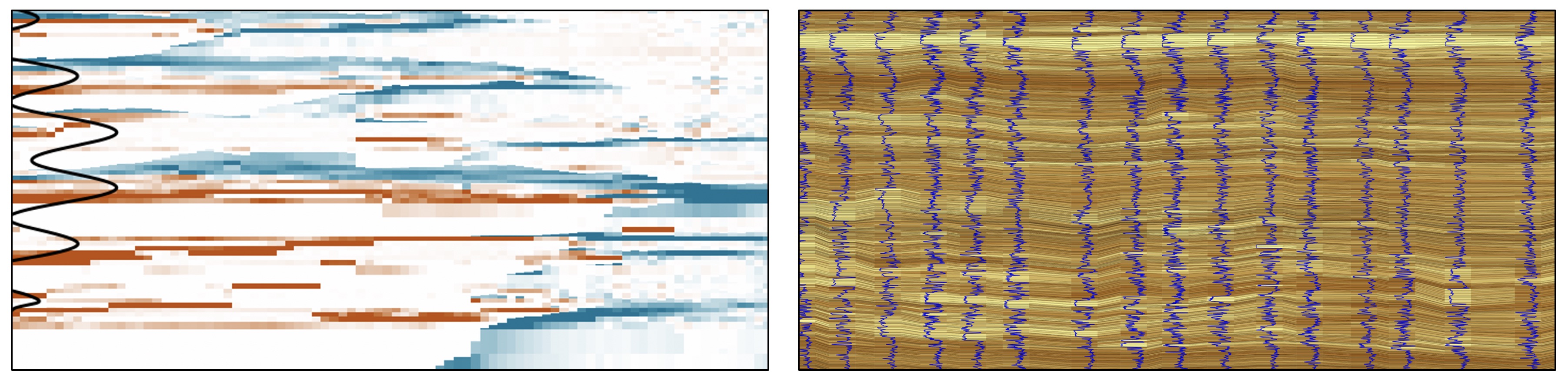
We use experimental data from the ‘Jurassic Tank‘ flume (St. Anthony Falls Laboratory) to create three-dimensional chronostratigraphic diagrams, compute stratigraphic completeness, and test several sequence stratigraphic concepts.

May 5, 2021 · Z. Sylvester
Autogenic translation and counter point bar deposition in meandering rivers

Autogenic translation and counter point bar deposition in meandering rivers

This paper explores the development of counter point bars in meandering rivers through autogenic translation processes.

May 1, 2021 · Z. Sylvester, P. R. Durkin, S. M. Hubbard, D. Mohrig
Point bars and counter point bars: Why is sediment deposited on the 'wrong' side of a meander bend?

Point bars and counter point bars: Why is sediment deposited on the 'wrong' side of a meander bend?

The simplest definition of point bars is that they are sedimentary deposits forming on the inner, convex bank of river bends. [‘Inner’ and ‘convex’ bank means that, looking toward the river, the bank is curving around you.] Amadeus W. Grabau, an early ‘influencer’ in stratigraphy and sedimentary geology, published a beautiful drawing of how meanders grow, point bars evolve, and oxbow lakes form, more than a hundred years ago: Diagram illustrating the development of meanders in a river. From Grabau (1920). ...

March 13, 2021 · Zoltán Sylvester